Amazon and Tata Motors to Deploy 3,000 Electric Trucks in India



New Delhi, October 27, 2026: Amazon and Tata Motors will put 3,000 electric trucks into Amazon’s transportation network in India. This is the largest electric-truck deployment by an e-commerce company in the country. In addition, it is Amazon’s biggest step beyond electric last-mile delivery. The trucks will move customer orders between facilities, across cities, and along national highways.
Check Your Commercial Vehicle History
Check Now
Key Takeaways
- Amazon and Tata Motors will deploy 3,000 electric trucks in India.
- The rollout starts in Delhi during the festive season with the Tata Ultra E.7.
- The next phase aims to electrify the 2,800-km Delhi–Bengaluru–Chennai corridor on NH48.
- Amazon’s carrier partners will own and run the trucks.
- Yahhvi is building charging hubs to support the expansion.
What Is the Amazon and Tata Motors Electric Truck Plan?
Amazon and Tata Motors have teamed up to bring 3,000 electric trucks onto Indian roads. Tata Motors will supply the trucks. Amazon’s carrier partners will then own and operate them. Amazon brings a large logistics network and steady freight demand. Tata Motors, India’s largest commercial-vehicle maker, brings engineering, manufacturing, and service strength.
Together, the two companies want to remove the main barriers that keep businesses from buying electric trucks. They also want to show that zero-exhaust-emission trucks can work well at scale.
What Did Leaders Say About the Electric Truck Rollout?
The quotes below appear exactly as the companies released them.
Shri H. D. Kumaraswamy, Hon’ble Union Minister for Heavy Industries and Steel, Government of India, commented on the announcement, “India under the able leadership of Hon’ble Prime minister Shri Narendra Modiji, is accelerating towards electric mobility and the realisation of Viksit Bharat 2047. The collaboration between Tata Motors and Amazon shows sustained demand from a nationwide logistics network, met by electric trucks manufactured in India. Through schemes like PM E-DRIVE, PLI Auto and PLI ACC the Government will continue to support this transition, and I look forward to more such efforts in powering green logistics.”
Dr. Pankaj Kumar Singh, Hon’ble Minister Health & Family Welfare, Transport & IT, Government of Delhi, said, “Delhi has led the nation’s transition to electric mobility, from expanding our zero-emission mass-mobility to building robust charging infrastructure across the capital. Decarbonising logistics is an important next step in our efforts to reduce transport-related emissions and contribute to improving air quality in Delhi. This collaboration between Amazon and Tata Motors sets an exemplary precedent, showing how progressive governance and industry leadership can join forces to accelerate sustainable urban logistics and improve the quality of life for the citizens of Delhi.”
Abhinav Singh, Vice President, Operations, Amazon, APAC, Middle East, Africa and Turkey said, “Electrifying our logistics and transportation network is an important part of Amazon’s goal to achieve net-zero carbon emissions by 2040. We have made significant progress in India, with more than 15,000 electric vehicles operating across 500-plus cities. To enable this transition, we are also supporting the development of infrastructure and solutions that make EV adoption easier for our carrier partners and drivers. We are now setting a bold vision to scale electric trucking, addressing one of the toughest challenges in decarbonising transportation. Our collaboration with Tata Motors marks an important step towards realising this vision. By combining our strengths, we aim to accelerate the deployment of electric trucks across more routes, starting with intracity operations and expanding to India’s major freight corridors.”
Rajesh Kaul, Vice President & Business Head – Trucks, Tata Motors Ltd, added, “Electric trucking in India is moving beyond the pilot stage and entering a phase of wider adoption. With deep localisation driving affordability and a compelling total cost of ownership, zero-emission trucks are becoming a practical business proposition for fleet operators across segments. Working with Amazon India, we are going beyond vehicle deployment to provide charging infrastructure, servicing and operational support. This collaboration will demonstrate how electric trucks can be integrated into large-scale logistics operations, with the potential to help reduce transportation-related emissions. We believe this effort will contribute to the broader adoption of electric commercial vehicles in the country.”
Rollout Starts in Delhi and Moves to the Highways
The rollout begins in Delhi, where freight volumes reach their yearly peak during the festive season. Amazon will use light- and medium-duty electric trucks from Tata Motors in its middle-mile network. These trucks move parcels between warehouses, sorting centres, and delivery stations.
After Delhi, Amazon plans to expand to major national highways. The goal is to electrify the 2,800-km Delhi–Bengaluru–Chennai corridor along NH48. This is India’s longest freight corridor. It runs through seven states and connects six of the country’s largest e-commerce regions.
Yahhvi Builds Charging Hubs for the Expansion
Electric trucks need reliable places to charge, so charging plays a key role in the plan. Amazon is working with Yahhvi, a charging infrastructure provider, to develop charging hubs along the route. In addition, Yahhvi has already built 10 charging yards across India for Amazon’s network.
Delhi’s 2026 EV Policy Rewards Early Adopters
The rollout follows the launch of Delhi’s 2026 EV Policy. The policy offers a strong benefit to early adopters. The first 1,000 privately owned medium-duty electric trucks registered in the three months after launch can enter the city at any time of day. These trucks can skip the usual “No Entry” hours for a full decade.
Furthermore, the project supports India’s wider push toward cleaner transport and electric freight. Programmes such as PM E-DRIVE and PARIVARTAN back the same goal.
Tata Ultra E.7 Offers Fast Charging and Strong Safety
Tata Motors built the Ultra E.7 around an integrated e-axle. The truck supports CCS2 fast charging and regenerative braking, which recovers energy when the driver slows down. It also has a new-generation, crash-tested cabin with high-voltage safety systems. Tata Motors designed the truck to lower running costs, increase uptime, and give freight operators a lower-emission choice.
Amazon Builds on Its Earlier Work in India
This collaboration builds on Amazon’s ongoing work to electrify its transportation network in India. As a co-founder of The Climate Pledge, Amazon aims to reach net-zero carbon emissions by 2040. The company also supports programmes that speed up fleet electrification in the country.
One example is Laneshift, a programme with C40 Cities. It tested electric trucks on the Bengaluru–Chennai corridor and helped create India’s first evidence-based roadmap for zero-exhaust-emission trucks. More recently, The Climate Pledge launched SUPEREV. This digital platform makes commercial EV adoption easier by bringing together charging, vehicles, financing, and renewable energy.

Popular Tata Series








Similar News
 Auto
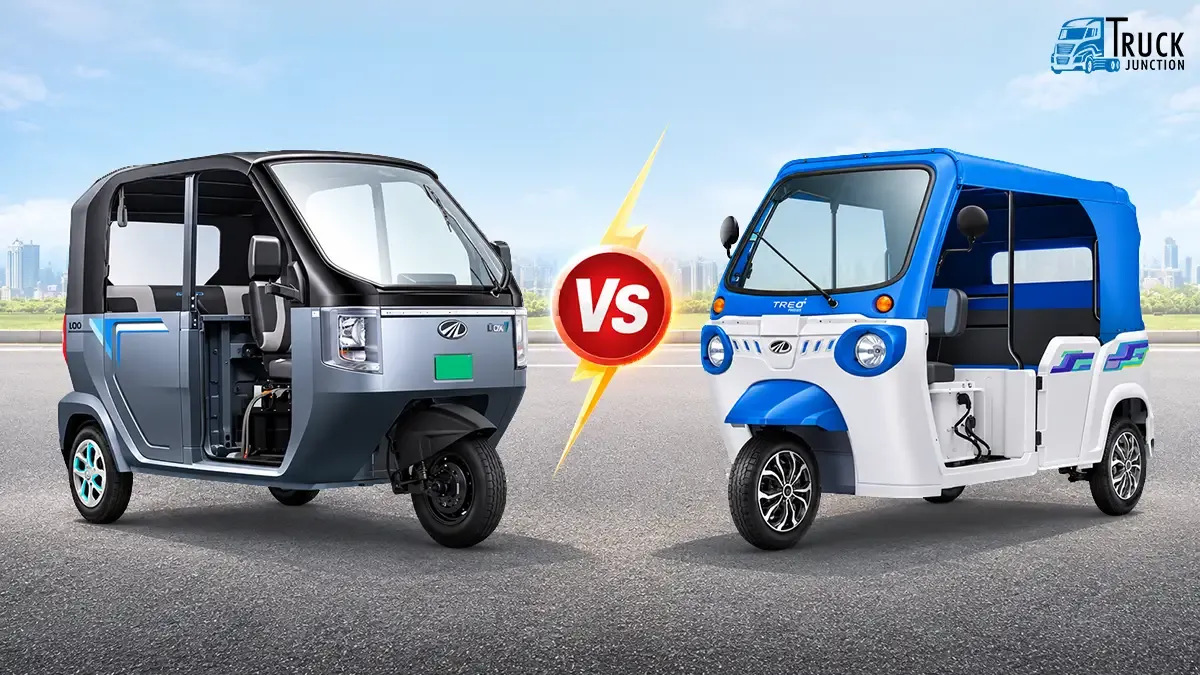
Mahindra Treo vs UDO: Price, Range, Battery and Specs Compared
By Syed Usman Hasan
Continue Reading
 Auto
How Modern Trucks Are Increasing Both Efficiency and Repair Costs?
By Syed Usman Hasan
Continue Reading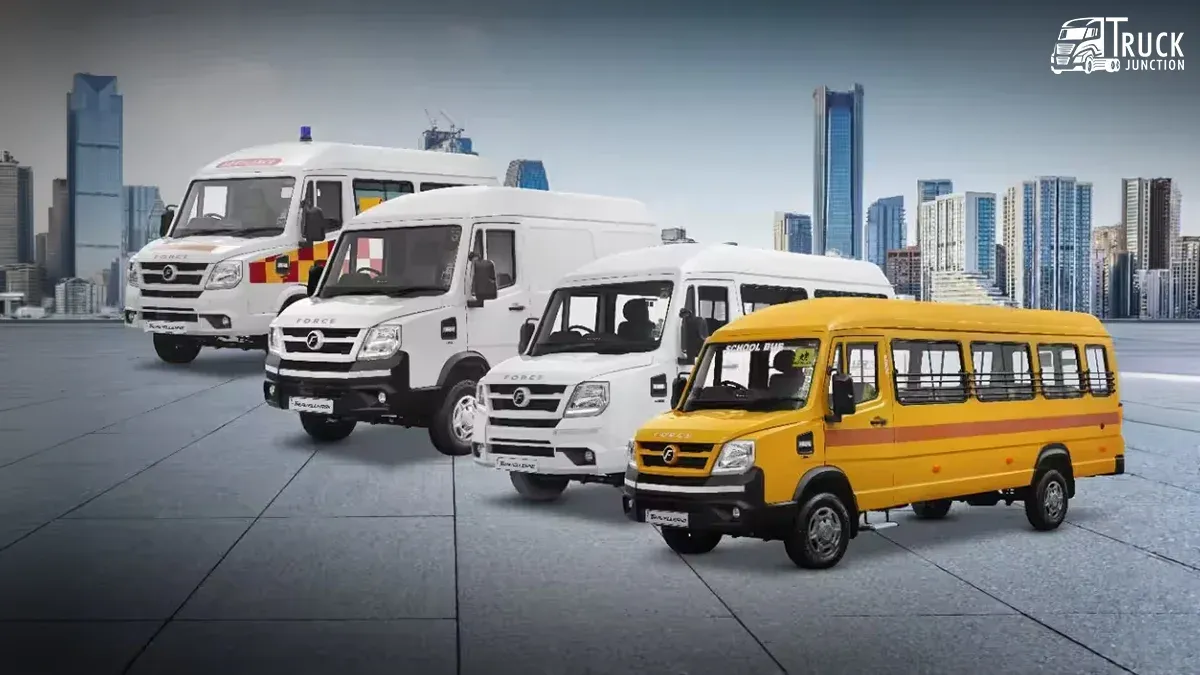 Auto
Force Motors to Launch Electric Traveller Vans in January–March 2027
By Syed Usman Hasan
Continue Reading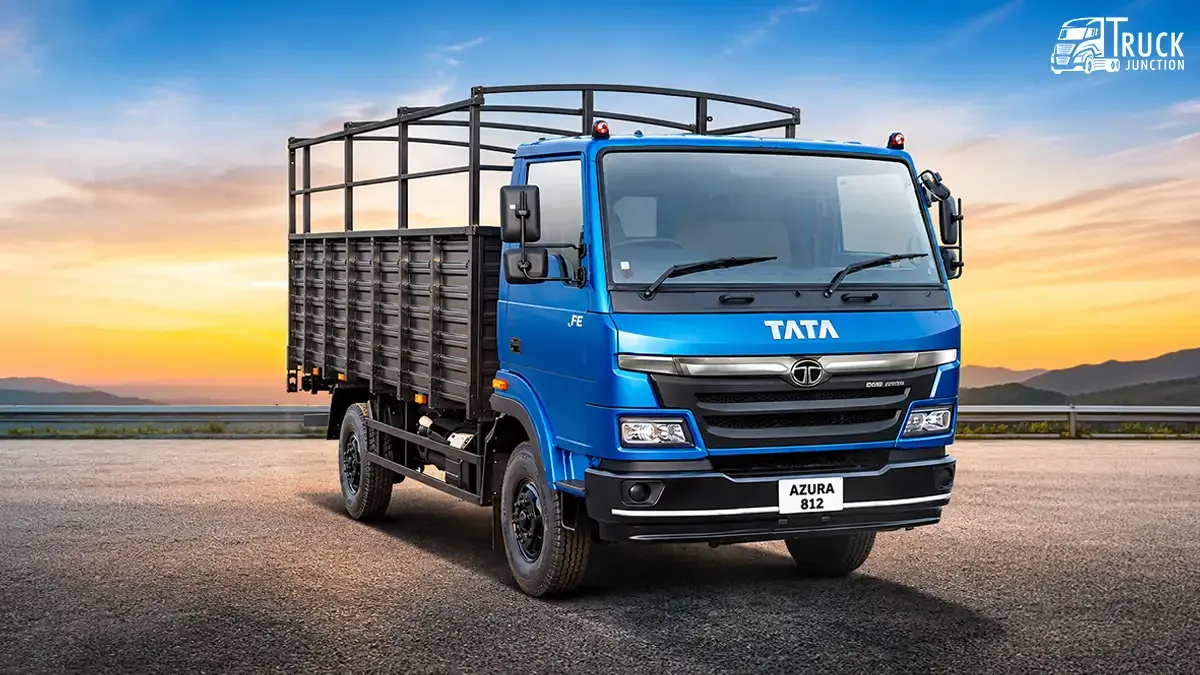 Auto
Tata Azura 812 Truck Review: Mileage, Payload Capacity & Specifications
By Syed Usman Hasan
Continue Reading


