Force Motors to Launch Electric Traveller Vans in January–March 2027

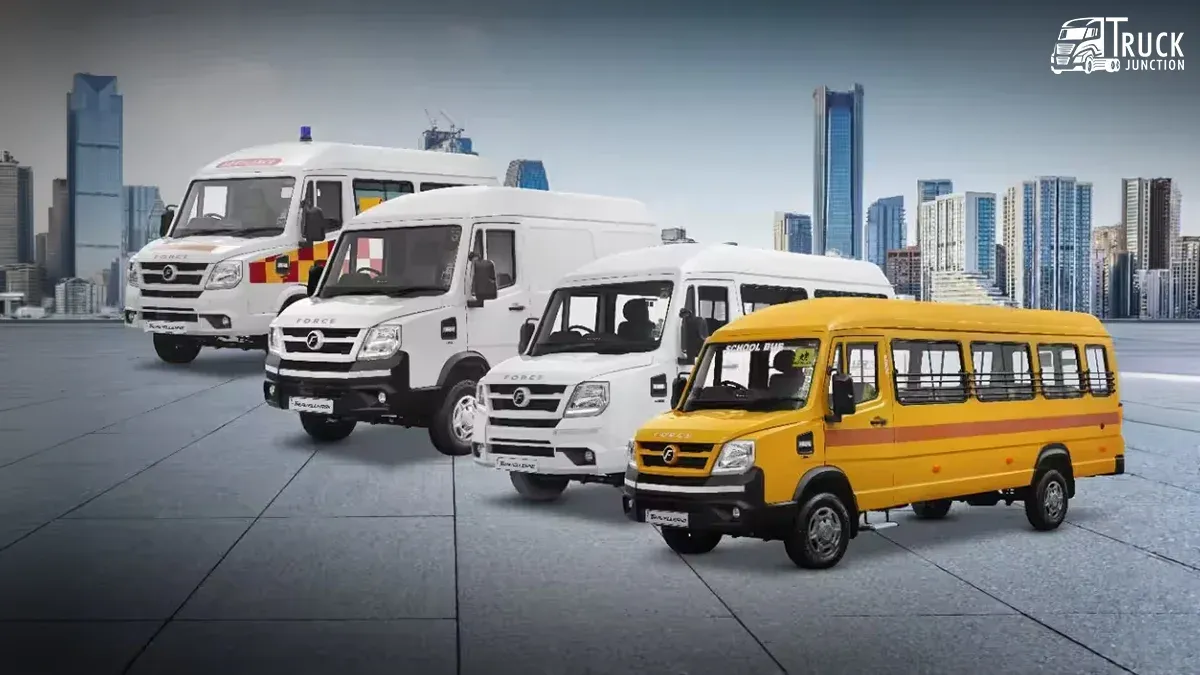


Force Motors commits ₹3,000 crore to EVs and capacity as Traveller EV nears launch
Pune: Force Motors will launch its electric Traveller vans in the first quarter of 2027, between January and March, Managing Director Prasan Firodia has confirmed. The company is also investing ₹3,000 crore in engineering, electrification, hybrid driveline technology and digitisation, along with higher production capacity.
Check Your Commercial Vehicle History
Check Now
Launch Details and Testing Status
Development of the electric Traveller is complete. The vans are now in final testing and homologation with the Automotive Research Association of India (ARAI). Firodia did not share further details.
“We are scheduled to launch our electric vehicles on the Traveller platform in the first quarter of next calendar year,” he said.
Electric Ambulance Among First Models
An electric ambulance for use within cities is expected to be among the first vehicles. The platform will also support other electric vans. Force Motors plans to bring several variants to market before extending electrification to its other platforms.
Urbania Electric Version to Follow
An electric version of the Urbania people carrier is also in development. It needs a few more months before it reaches the homologation stage. Force Motors expects to launch it within a few months of the Traveller EV.
₹3,000 Crore Investment and Capacity Expansion
The investment will fund engineering, electrification, hybrid driveline technology and digitisation. Force Motors is also raising its production capacity to 85,000 vehicles to meet future demand, including demand for the Traveller EV and Urbania EV.
Expected Pace of Electric Adoption
Firodia said the shift to electric power in larger passenger vehicles will be gradual compared with cars and smaller vehicles. Running costs must make sense for customers, while driving range and charging availability remain challenges, especially on varied routes.
“I do not expect that the EV transition for us will be something very rapid like what you have seen in passenger cars or the significant transition that has taken place in two-wheelers or three-wheelers. In our segment, transition will happen, but it will be a slow transition comparatively,” he said.
Where Electric Vans Fit Best
School transport could be among the first to adopt electric vans because routes and daily distances are predictable. Employee transport and intracity ambulances are also suitable. Tourism and intercity travel are harder, as routes change and charging needs are difficult to plan.
Specifications of the e-Traveller Smart Citibus EV
Force Motors has already revealed the e-Traveller Smart Citibus EV, built on the 5.4-metre Traveller body.
|
Feature |
Detail |
|
Battery |
70 kWh lithium-ion |
|
Seating |
14 passengers plus driver |
|
Seat type |
High-back, moulded plastic |
|
Body type |
Monocoque |
|
Wheelbase |
3,350 mm |
|
Overall length |
5,415 mm |
|
Gradeability |
18% |
|
Turning radius |
6 metres |
|
Air conditioning |
Standard |
The van also has an electrically operated jack-knife door, 1.8 m of standing height, internal and external cameras, and GPS.
Background
Force Motors first showed its T1N monocoque electric platform in 2020 and displayed an electric Traveller at the 2024 Auto Expo. Commercial sales have not yet begun.
The Traveller platform serves healthcare, education, employee transport and tourism. Its range includes ambulances, school buses, police vans and delivery vehicles. Firodia also noted that Urbania has become a major platform for the company in both volumes and revenue.





Popular Brands


Similar News
 Auto
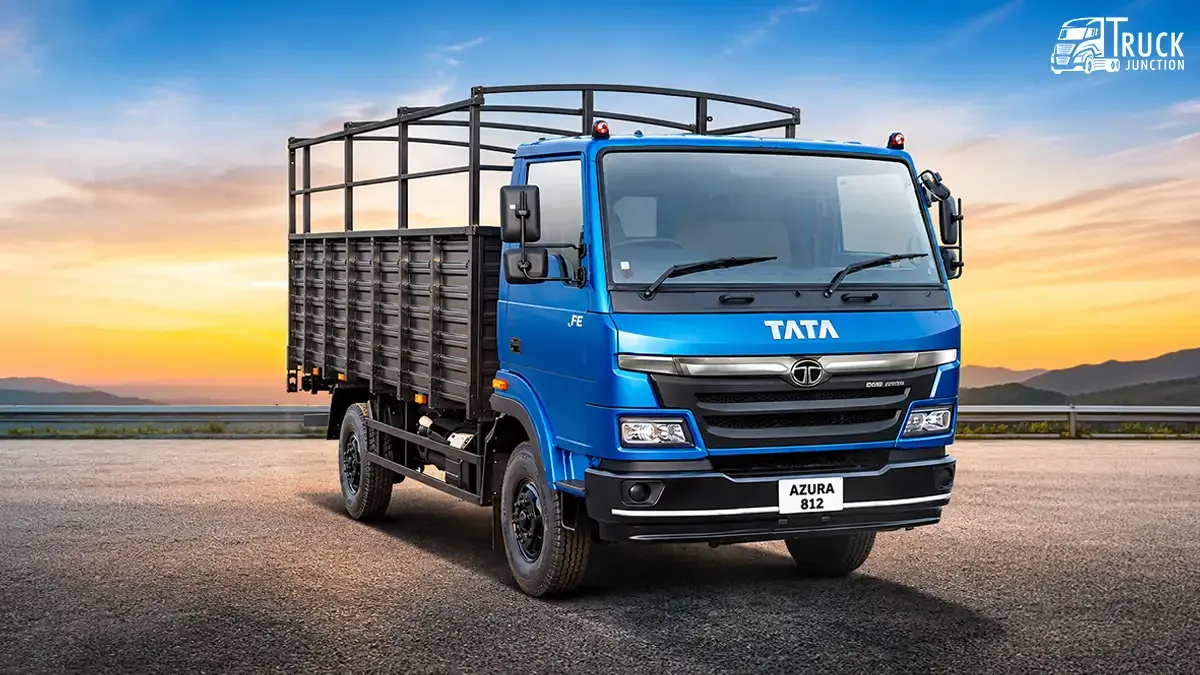
Tata Azura 812 Truck Review: Mileage, Payload Capacity & Specifications
By Syed Usman Hasan
Continue Reading

 Auto
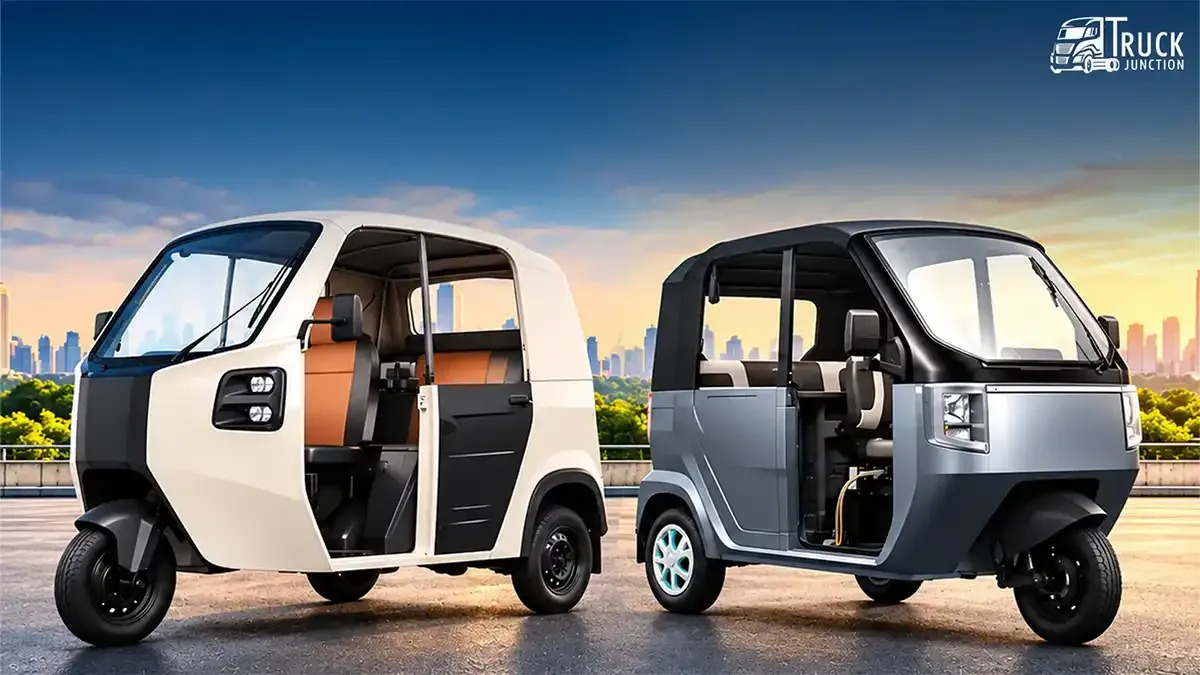
FADA Electric 3W Retail Sales October 2026: Sales Rise 24.76% YoY to 88,570 Units
By Syed Usman Hasan
Continue Reading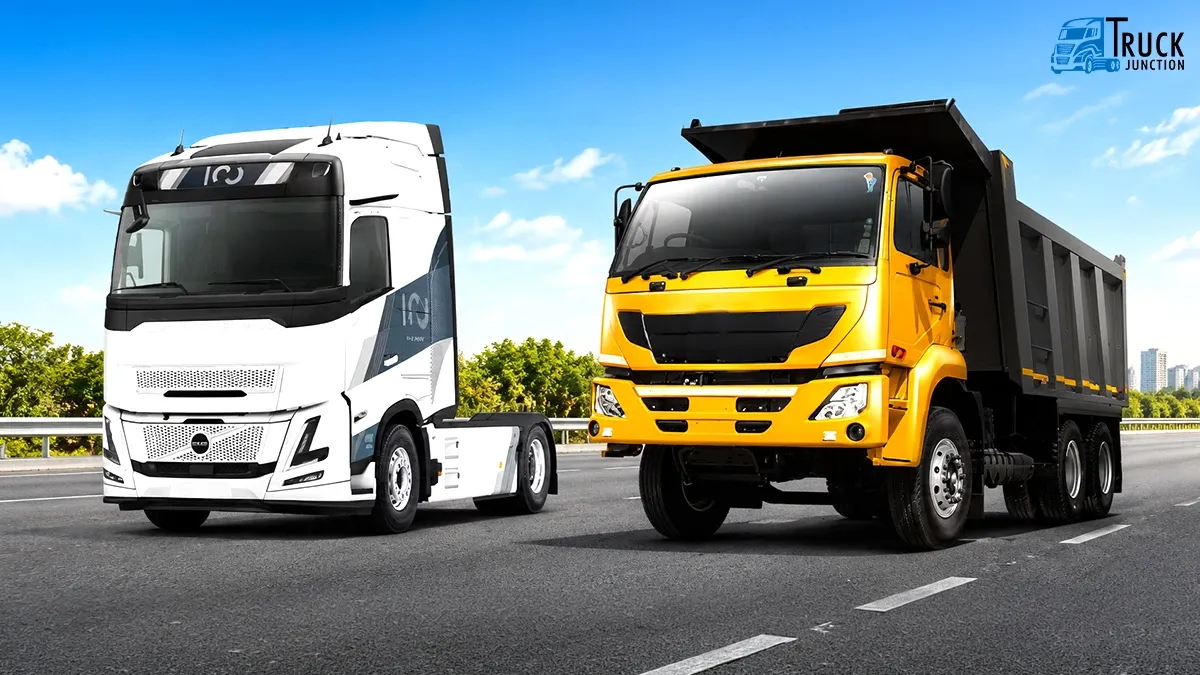 Auto
FADA Electric Commercial Vehicle Retail Sales October 2026: Sales Rise 162.3% YoY to 4,942 Units
By Syed Usman Hasan
Continue Reading