Mahindra UDO Autoplane Design: How It Improves Comfort & Modern Mobility



The Mahindra UDO Autoplane design takes a different approach to electric three-wheelers. Instead of focusing only on basic city transport, it combines an aircraft-inspired exterior with a spacious cabin, improved visibility and comfort-focused features.
Check Your Commercial Vehicle History
Check Now
The result is an electric auto designed for both passenger comfort and driver convenience. The UDO gets a first-in-segment monocoque construction, lounge-like cabin space, independent rear suspension and a 20% thicker pilot seat. It also offers a 200 km real-world range and a 265 km ARAI-certified range from its 11.7 kWh battery.
But what exactly makes the Mahindra UDO an “Autoplane”? Let's understand its design, features, specifications and benefits.
What Is the Mahindra UDO Autoplane Design?
The Autoplane concept in Mahindra UDO is an aircraft-inspired approach to three-wheeler design. Mahindra uses smooth exterior surfaces, a large windshield and a spacious cabin to give the electric auto a more modern and premium appearance.
The idea goes beyond styling. The design focuses on three important areas:
- Better passenger comfort
- Easier driving in urban traffic
- A more spacious and stable cabin
The UDO also uses monocoque construction, which integrates the body and chassis into a single structure. Mahindra says this is a first-in-segment feature and helps provide higher structural strength.
Mahindra UDO Design: What Makes It Different?
The UDO looks noticeably different from a traditional three-wheeler. Its exterior follows a smoother and more aerodynamic shape instead of the conventional boxy design.
Aircraft-Inspired Exterior
The front profile uses flowing surfaces that give the UDO its distinctive Autoplane appearance. A large panoramic windshield adds to the design while also improving the driver's view of the road.
The exterior also gets:
- Aerodynamic body design
- Large panoramic windshield
- Modern headlamps
- Stylish rear-view mirrors
- Premium-looking exterior finish
- Informative instrument cluster
This design gives the Mahindra UDO a more contemporary identity in the electric auto segment.
First-in-Segment Monocoque Construction
One of the biggest differences in the Mahindra UDO three-wheeler design is its monocoque construction. Unlike a conventional separate body-and-frame setup, a monocoque structure combines the body and chassis into one integrated structure. Mahindra says this helps provide greater structural strength and contributes to the UDO's ride quality.
For passengers, this type of construction can contribute to a more settled cabin experience. For drivers, it adds to the overall sense of stability during regular urban operations.
Mahindra UDO Passenger Comfort
The Mahindra UDO passenger comfort package is one of its key selling points. The cabin is designed to provide more usable space for the driver and passengers rather than treating the three-wheeler as a basic short-distance vehicle.
The UDO offers D+3 seating, meaning one driver and three passengers can travel together. Its 2,100 mm wheelbase also helps create a spacious cabin.
Lounge-Like Cabin Space
Mahindra describes the UDO's interior as offering lounge-like comfort. The cabin provides generous headroom and legroom, helping passengers sit more comfortably during longer city journeys. This is particularly useful for passenger applications where the vehicle may operate continuously throughout the day.
Comfortable Passenger Seating
The seats are designed with passenger comfort in mind. The overall cabin layout gives passengers a more relaxed seating position and helps make everyday urban trips more comfortable.
This makes the UDO different from traditional three-wheelers where cabin comfort is often secondary to basic transportation needs.
Mahindra UDO Driver Comfort and Convenience
The Autoplane concept also focuses on the driver. An electric auto can spend several hours on the road every day, so the driver's seating position and controls can directly affect the working experience.
20% Thicker Pilot Seat
The UDO gets a pilot seat that is nearly 20% thicker than other vehicles in its category, according to Mahindra. The thicker cushioning is designed to provide better support during long working hours.
Better Road Visibility
The large panoramic windshield gives the driver a wider forward view. This can be useful while navigating crowded streets, intersections and busy passenger routes.
Easy Urban Manoeuvrability
The UDO is designed for city driving, where narrow lanes, traffic and frequent stops are common.
It also gets features such as:
- Hill Hold for better control on inclines
- Reverse Throttle for easier reversing
- Creep Mode for controlled movement in heavy traffic
- Three drive modes: Range, Ride and Race
The Reverse Throttle and Creep Mode are described by Mahindra as segment-first features.
Mahindra UDO Ride Quality
A comfortable passenger vehicle needs more than a spacious cabin. Suspension plays an important role in how passengers experience potholes, speed breakers and uneven roads.
The Mahindra UDO suspension setup includes dual forks at the front and an independent rear suspension. This setup is designed to improve stability and absorb road irregularities.
The combination of monocoque construction and independent rear suspension helps the UDO focus on a smoother urban ride.
Mahindra UDO Specifications
Here are the key Mahindra UDO specifications:
|
Specification |
Mahindra UDO |
|
Vehicle Type |
Electric Auto |
|
Passenger Capacity |
D+3 |
|
Battery Capacity |
11.7 kWh |
|
Battery Type |
Lithium-ion |
|
Peak Power |
10 kW |
|
Torque |
52 Nm |
|
Real-World Range |
200 km* |
|
ARAI-Certified Range |
265 km |
|
Top Speed |
55 km/h |
|
Charging Time |
5 hours 15 minutes |
|
Wheelbase |
2,100 mm |
|
Ground Clearance |
215 mm |
|
GVW |
759 kg |
|
Front Suspension |
Dual Fork |
|
Rear Suspension |
Independent |
|
Drive Modes |
Range, Ride, Race |
*Real-world range depends on driving conditions, terrain, load and driving habits.
Mahindra UDO Battery, Range and Performance
The UDO uses an 11.7 kWh lithium-ion battery paired with an electric motor producing 10 kW peak power and 52 Nm torque. Its claimed real-world range is 200 km, while the ARAI-certified range is 265 km. The vehicle takes around 5 hours 15 minutes to charge according to Mahindra. For drivers covering multiple passenger trips during the day, the range can help reduce the need for frequent charging. The UDO also gets regenerative braking, which can recover energy during deceleration and support overall efficiency.
How the Autoplane Design Benefits Passengers and Drivers
The Mahindra UDO is designed around two users: the person driving it and the people travelling in it.
For Passengers
- Spacious D+3 cabin
- Lounge-like legroom
- Comfortable seating
- Large windshield and airy cabin feel
- Improved ride comfort
- Better stability over uneven roads
For Drivers
- 20% thicker pilot seat
- Panoramic windshield
- Hill Hold
- Creep Mode
- Reverse Throttle
- Three driving modes
- 200 km real-world range
This combination makes the Mahindra UDO electric auto more than a conventional last-mile passenger vehicle. It focuses on comfort, technology and practical urban mobility.
Why Is Mahindra UDO Called an Autoplane?
The Mahindra UDO is called an Autoplane because its design takes inspiration from aircraft styling and cabin comfort. Its aerodynamic body, large windshield, spacious interior and comfort-focused seating create a different experience from conventional three-wheelers.
However, the concept is not limited to appearance. Mahindra combines the design with monocoque construction, independent rear suspension, smart driving features and a long electric driving range.
Mahindra UDO: A New Approach to Electric Auto Design
The Mahindra UDO Autoplane design shows how electric three-wheelers are moving beyond basic transportation. The focus is shifting towards better cabin space, driver comfort, ride quality, technology and overall passenger experience.
With its 11.7 kWh battery, 200 km real-world range, D+3 seating, monocoque construction and comfort-focused cabin, the UDO is designed for the practical demands of daily urban passenger transport.
For drivers, the combination of range, comfort and urban-focused technology can make everyday operations easier. For passengers, the spacious cabin and improved ride experience offer a more comfortable alternative for city travel.
FAQs About Mahindra UDO Autoplane
-
What is the Mahindra UDO Autoplane concept?
The Autoplane is Mahindra UDO's aircraft-inspired design concept. It combines aerodynamic styling with a spacious, comfort-focused cabin and modern three-wheeler technology.
-
What is the Mahindra UDO range?
The Mahindra UDO offers a 200 km real-world range and a 265 km ARAI-certified range, according to Mahindra Last Mile Mobility.
-
What is the Mahindra UDO battery capacity?
The UDO comes with an 11.7 kWh lithium-ion battery.
-
How many passengers can the Mahindra UDO carry?
The Mahindra UDO has a D+3 seating capacity, allowing one driver and three passengers.
-
What is the top speed of the Mahindra UDO?
The Mahindra UDO has a 55 km/h top speed in Race Mode. It also offers Range and Ride modes.
-
What makes the Mahindra UDO comfortable?
The UDO gets a spacious cabin, lounge-like legroom, comfort-focused seating, a nearly 20% thicker pilot seat, dual-fork front suspension and independent rear suspension.
-
What is the charging time of the Mahindra UDO?
The Mahindra UDO takes around 5 hours 15 minutes to charge, as listed by Mahindra Last Mile Mobility.
-
Is the Mahindra UDO suitable for city passenger transport?
Yes. Its compact three-wheeler format, 200 km real-world range, D+3 seating, urban-focused driving modes and comfort features make it designed for daily passenger transport in cities.






Similar News
 Auto
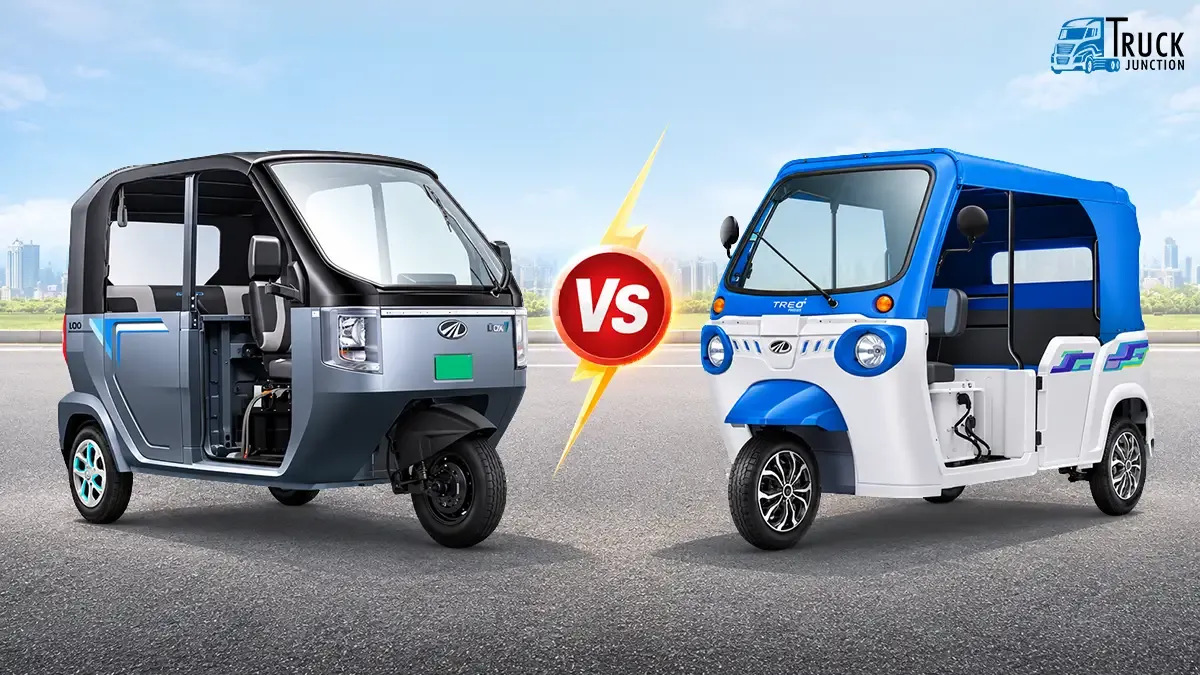
Mahindra Treo vs UDO: Price, Range, Battery and Specs Compared
By Syed Usman Hasan
Continue Reading
 Auto
How Modern Trucks Are Increasing Both Efficiency and Repair Costs?
By Syed Usman Hasan
Continue Reading Auto
Force Motors to Launch Electric Traveller Vans in January–March 2027
By Syed Usman Hasan
Continue Reading Auto
Tata Azura 812 Truck Review: Mileage, Payload Capacity & Specifications
By Syed Usman Hasan
Continue Reading